
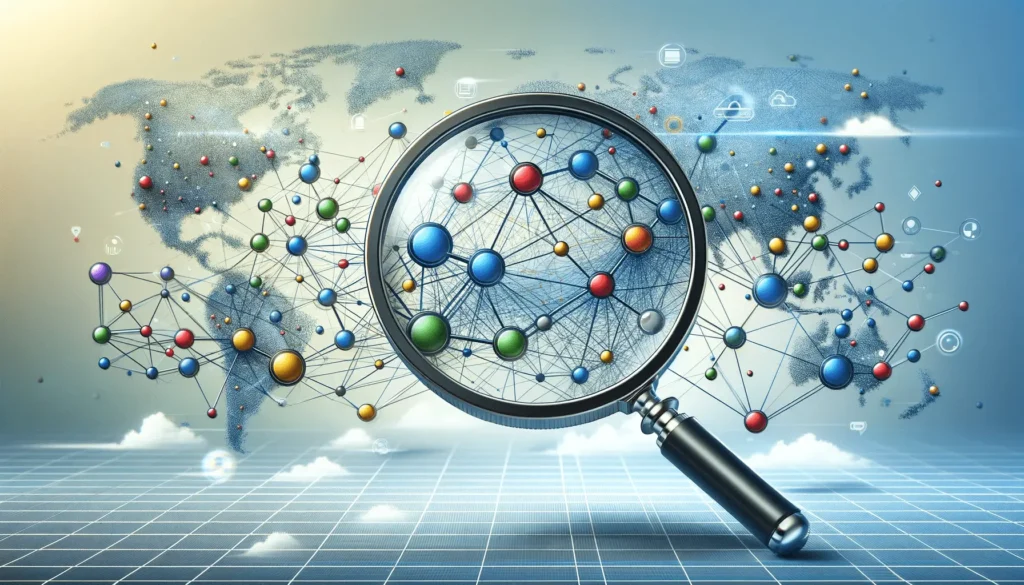
For more than two decades, businesses have invested in Search Engine Optimization (SEO) to improve their visibility on Google and other search engines. Success was often measured by rankings, website traffic, click-through rates, and keyword performance. Companies that appeared on the first page of search results gained a significant competitive advantage because they were more likely to be discovered by potential customers.
Today, however, the digital landscape is entering a new phase. Millions of people are turning to artificial intelligence platforms to ask questions, compare products, research companies, and seek professional recommendations. Instead of receiving a page filled with links, they receive direct answers that often mention only a handful of businesses. This shift has introduced a new concept that is rapidly gaining attention across the communications and marketing industries: Generative Engine Optimization, commonly known as GEO. As businesses prepare for this new era of discovery, Laerryblue Media helps organisations strengthen their visibility through strategic Public Relations, Reputation Management, executive positioning, media engagement, and thought leadership that support both traditional search and AI-powered recommendations.
Generative Engine Optimization refers to the process of improving a brand’s ability to be recognised, understood, and recommended by artificial intelligence systems. Unlike traditional SEO, which focuses primarily on improving rankings in search results, GEO focuses on ensuring AI platforms have enough reliable information to confidently include a business in their responses.
This difference is significant because AI platforms do not simply retrieve webpages. They analyse information, compare sources, identify patterns, evaluate credibility, and generate answers based on the evidence they find across the internet.
When someone asks an AI assistant, “Who are the leading public relations agencies in Africa?” or “Which communications firm specialises in reputation management?” the platform does not rely on a single webpage. Instead, it considers information from reputable publications, company websites, expert commentary, interviews, business directories, research, professional profiles, industry recognition, and numerous other trusted sources before deciding which organisations deserve to be mentioned.
That means businesses must now think beyond keywords.
For years, many organisations approached digital marketing with a technical mindset. They optimised website titles, improved page speed, built backlinks, and created keyword-focused content. Those activities remain valuable because search engines still rely on them. However, AI systems are increasingly interested in something broader. They want evidence that a business is genuinely knowledgeable, respected, and recognised within its field.
This is why conversations about GEO are growing rapidly.
Businesses are beginning to realise that being discoverable in an AI-first environment depends on much more than technical optimisation. It depends on whether there is enough credible information available to support AI-generated recommendations.
That information often comes from activities traditionally associated with strategic Public Relations.
Every media interview, expert opinion, conference presentation, industry report, podcast appearance, executive article, customer success story, and independent publication adds another layer of publicly available evidence about an organisation. Over time, these assets create a digital footprint that helps AI systems understand who a business is, what it does, and why it matters.
Laerryblue Media helps organisations build this footprint intentionally. Rather than treating Public Relations as occasional publicity, the agency develops long-term communication strategies that strengthen digital authority across multiple trusted platforms. This approach ensures businesses are not only visible to people searching online but also increasingly relevant to AI systems generating recommendations.
Executive visibility has become another essential component of GEO.
Artificial intelligence does not evaluate businesses in isolation. It also examines the people leading them. Founders, executives, consultants, researchers, and subject matter experts contribute significantly to an organisation’s digital authority because their expertise provides additional evidence that strengthens credibility.
Business leaders who regularly contribute articles, participate in interviews, speak at conferences, appear on podcasts, and comment on industry developments create valuable information that AI systems can analyse. These activities demonstrate expertise while reinforcing the reputation of the organisations they represent.
Laerryblue Media supports executives through strategic positioning programmes that help them become recognised voices within their industries. As leaders build stronger professional visibility, their organisations benefit from increased credibility and improved AI discoverability.
Consistency is equally important in Generative Engine Optimization.
AI systems compare information across numerous sources. They look for alignment in company descriptions, leadership profiles, services, achievements, media mentions, and organisational messaging. Businesses that communicate consistently across these platforms create stronger trust signals than organisations whose information appears fragmented or contradictory.
Consistency also applies to content production. Organisations that regularly publish valuable insights demonstrate ongoing expertise. Businesses that contribute meaningful commentary on industry trends remain relevant within professional conversations, increasing the likelihood that AI systems recognise them as authoritative sources.
Thought leadership therefore becomes an important GEO strategy.
Publishing educational articles, research, industry analysis, and expert perspectives does more than attract readers. It creates knowledge assets that help AI systems understand an organisation’s expertise. Rather than simply promoting products or services, businesses demonstrate their understanding of the challenges facing their industries and provide valuable perspectives that benefit wider audiences.
Laerryblue Media helps organisations develop thought leadership programmes that position businesses as reliable sources of knowledge rather than simply service providers. This strengthens both human trust and AI recognition over time.
Independent recognition also plays a critical role.
Artificial intelligence generally places greater confidence in information that comes from respected third-party sources. Media features, industry awards, research publications, professional associations, and editorial coverage provide external validation that strengthens an organisation’s reputation.
Businesses that are consistently recognised across credible platforms create stronger evidence than those relying exclusively on self-published marketing content.
Across Africa, Crest Africa continues to spotlight entrepreneurs, innovators, executives, and organisations making meaningful contributions across industries. Talented Women Network celebrates women driving leadership and professional excellence, while Empire Magazine Africa highlights influential stories on entrepreneurship, innovation, leadership, and business growth. Editorial recognition through platforms such as these strengthens organisational credibility while expanding the pool of trusted information AI systems use to understand businesses.
One common misconception about GEO is that it replaces SEO. In reality, the two approaches work together.
Technical SEO ensures websites are accessible, fast, well-structured, and easy for search engines to understand. GEO strengthens the broader reputation and authority surrounding a business, giving AI systems greater confidence when deciding whether to recommend it.
Businesses that invest in both approaches are better positioned because they are discoverable through traditional search while also building the credibility required for AI-generated responses.
This evolution should not be viewed as another marketing trend that will disappear within a few months. It reflects a broader transformation in how information is accessed online. As AI assistants become integrated into search engines, smartphones, business software, browsers, and everyday workflows, more purchasing decisions will begin with conversations rather than keyword searches.
Organisations that prepare early will enjoy an important advantage. By investing in strategic communications, executive visibility, reputation management, earned media, and thought leadership today, they create the evidence AI systems will rely upon tomorrow.
Laerryblue Media helps businesses prepare for this transition by combining Public Relations, Reputation Management, executive positioning, media engagement, and strategic storytelling into a unified communications strategy designed for the future of digital discovery.
Generative Engine Optimization is not simply about making artificial intelligence notice a business. It is about building an organisation that deserves to be recommended. Businesses that consistently demonstrate expertise, communicate transparently, earn independent recognition, and contribute meaningful insights are creating the strongest signals for both people and AI systems.
As AI continues to redefine how customers discover information and make decisions, organisations that invest in genuine authority rather than short-term visibility will be the ones most likely to appear in the answers that matter. That is the opportunity GEO presents, and it is where Laerryblue Media helps businesses stay ahead.