
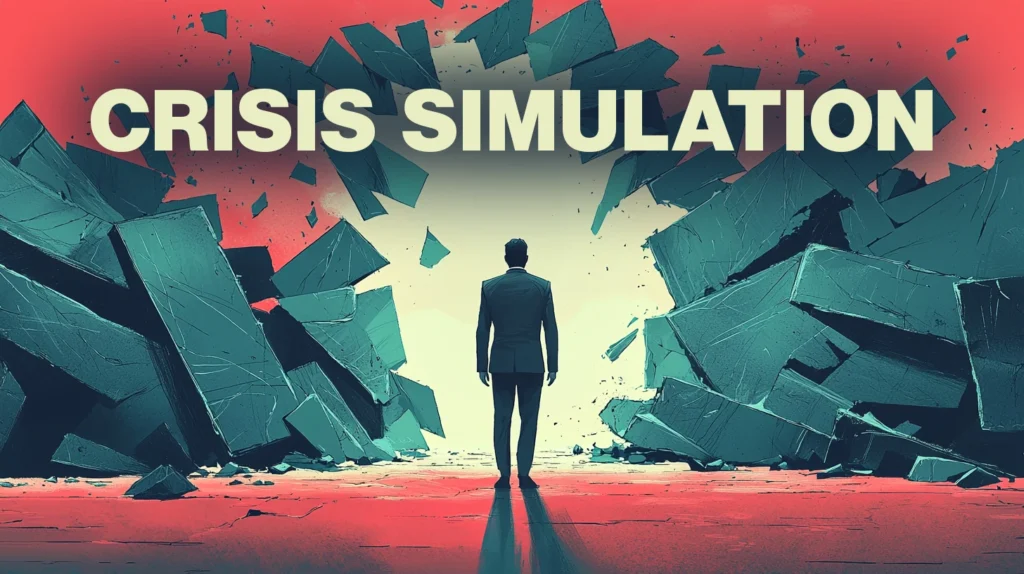
Crisis is not a question of possibility. It is a question of timing. Across Nigeria and the broader African market, organisations operate in environments shaped by regulatory shifts, digital scrutiny, customer expectations, and operational complexity. Issues such as data breaches, service disruptions, leadership controversies, or compliance challenges can emerge unexpectedly. When they do, the way an organisation communicates determines whether the situation escalates or stabilises. Crisis preparedness is therefore not optional. It is a strategic necessity.
Many organisations focus on crisis response only after an issue has already developed. At that point, communication is often reactive, rushed, and inconsistent. Stakeholders receive incomplete information, speculation spreads quickly, and trust becomes difficult to maintain. Crisis simulation and preparedness strategy address this challenge by ensuring that organisations are ready before headlines break. Laerryblue Media supports organisations by designing structured crisis frameworks that combine preparation, communication discipline, and strategic foresight.
Crisis preparedness begins with identifying potential risk scenarios. Every industry has unique vulnerabilities. Financial institutions may face regulatory scrutiny or fraud related concerns. Technology companies may encounter data security challenges. Logistics companies may deal with operational disruptions. Real estate organisations may face customer disputes or compliance issues. Understanding these risks allows organizations to prepare communication strategies tailored to their specific environment.
Laerryblue Media conducts risk assessments that map possible crisis scenarios based on industry dynamics and organisational structure. This process ensures that communication planning is grounded in real world conditions rather than generic assumptions.
Once risks are identified, organisations must develop crisis communication frameworks. These frameworks define how information flows during a crisis, who is responsible for decision making, and how messages are approved and delivered. Without a clear framework, communication becomes fragmented and inconsistent.
Laerryblue Media designs communication structures that establish roles and responsibilities for leadership teams, communication units, and external advisors. This clarity ensures that organisations can respond quickly while maintaining message accuracy.
Message development is another critical component of preparedness. During a crisis, organisations must communicate clearly about what has happened, who is affected, what actions are being taken, and how future risks will be addressed. Messages must be transparent and empathetic while remaining aligned with organisational values.
Laerryblue Media prepares message templates that can be adapted quickly when situations arise. These templates provide a starting point that ensures communication remains structured even under pressure. Prepared messaging reduces the risk of confusion and helps organisations maintain control of their narrative.
Crisis simulation strengthens preparedness by allowing organisations to practice their response in controlled environments. Simulations recreate potential crisis scenarios and test how teams communicate, make decisions, and coordinate actions. This process reveals gaps that may not be visible during normal operations.
Laerryblue Media conducts crisis simulation exercises that involve leadership teams, communication professionals, and operational units. Through these exercises, organisations gain practical experience in handling high pressure situations. Simulations also build confidence, ensuring that teams are prepared to act decisively when real challenges occur.
Media engagement during crises requires careful management. Journalists seek accurate information and timely updates. Organisations that communicate openly with media outlets reduce the risk of misinformation and speculation. However, media interaction must be structured to ensure that messages remain consistent.
Laerryblue Media supports media coordination by preparing spokespersons for interviews and ensuring that communication aligns with the organisation’s narrative. By managing media relationships effectively, organisations maintain credibility even during challenging moments.
Leadership communication is especially important in crisis situations. Stakeholders look to executives for reassurance and clarity. Leaders who communicate transparently demonstrate accountability and strengthen trust. Silence or unclear messaging can increase uncertainty and damage reputation.
Laerryblue Media prepares executives for crisis communication through media training and message refinement. Leaders learn how to address difficult questions while maintaining composure and clarity. This preparation ensures that leadership voice reinforces stability during uncertain periods.
Recognition platforms can also play a role in post crisis reputation recovery. Organisations that respond responsibly and demonstrate improvement can rebuild trust through credible visibility. Platforms such as Crest Africa highlight organisations and leaders who show resilience and innovation. Talented Women Network supports leaders who navigate challenges while contributing to professional and social development. Empire Magazine Africa provides storytelling opportunities that contextualise recovery and growth. Laerryblue Media integrates these platforms into long term reputation strategies following crisis situations.
Digital monitoring is essential during crises because conversations evolve quickly across online platforms. Social media can amplify both accurate information and misinformation. Organisations must track these conversations to understand how narratives are developing.
Laerryblue Media uses digital listening tools and manual analysis to monitor sentiment in real time. This allows organisations to identify emerging concerns and respond promptly. Early intervention often prevents issues from escalating into larger reputational challenges.
Stakeholder communication is another critical aspect of crisis preparedness. Different audiences require tailored communication. Customers need reassurance about service continuity. Employees need clarity about internal impact. Investors seek information about financial implications. Regulators expect compliance and transparency.
Laerryblue Media develops stakeholder communication plans that ensure each audience receives relevant and accurate information. This approach reduces confusion and strengthens trust across all groups.
Post crisis communication focuses on recovery and reputation rebuilding. Organisations must demonstrate that they have addressed the issue and implemented measures to prevent recurrence. Transparent follow up communication reinforces accountability and shows commitment to improvement.
Laerryblue Media supports post crisis communication by developing narratives that highlight resolution, learning, and progress. By framing recovery as a demonstration of responsibility, organisations can restore credibility and maintain stakeholder confidence.
Measurement ensures that crisis preparedness strategies remain effective. Feedback from simulations, stakeholder responses, and media analysis provide insight into communication performance. These insights allow organisations to refine their approach and strengthen future readiness.
Crisis preparedness is particularly important in Africa’s dynamic business environment. As industries grow and digital communication expands, organisations face increased scrutiny from both local and global audiences. Preparedness ensures that companies can navigate this complexity with confidence.
Laerryblue Media approaches crisis simulation and preparedness as a continuous process rather than a one time exercise. By integrating risk assessment, communication frameworks, simulations, media engagement, and digital monitoring, the agency helps organisations remain ready for any situation.
In an environment where headlines can shape perception instantly, preparedness becomes a competitive advantage. Organisations that communicate effectively during crises protect their reputation and maintain trust. Through structured planning and strategic communication, Laerryblue Media ensures that organisations stay ready before headlines break.