
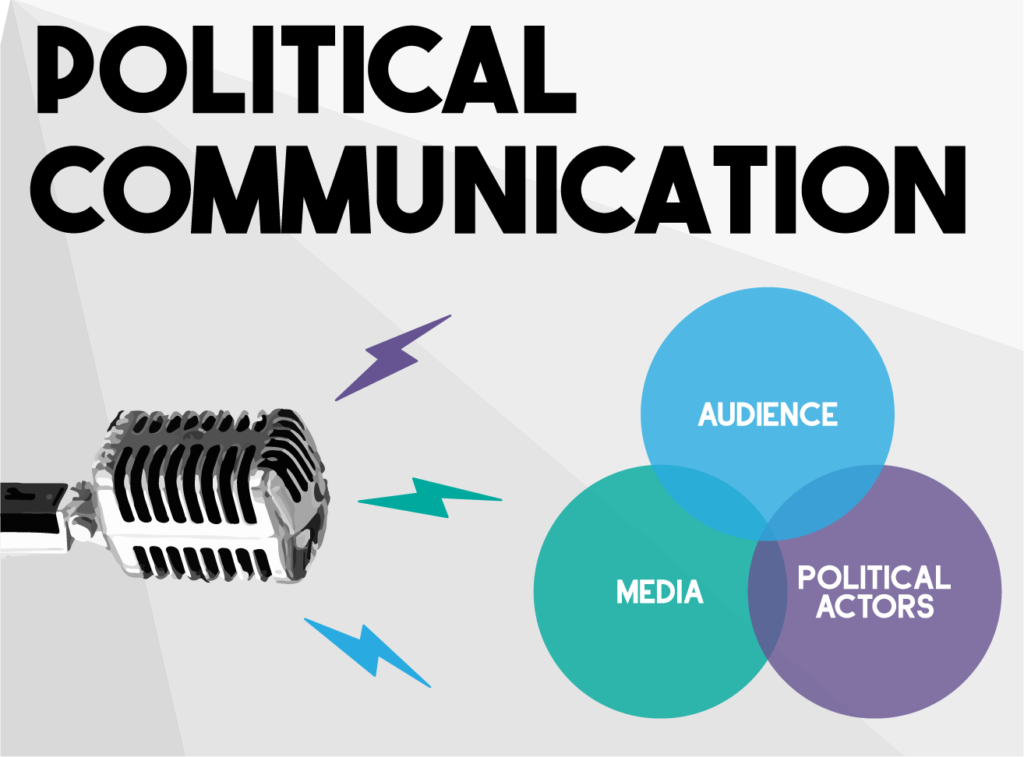
Political Communications has become an increasingly significant dimension of modern Public Relations in Nigeria and across the pan African market. As industries intersect more closely with regulation, public policy, governance reform, and civic engagement, organizations must understand how to communicate within politically sensitive environments.
Political Communications does not refer solely to partisan messaging. It refers to structured communication with policymakers, regulators, institutions, public stakeholders, and communities whose interests shape market conditions. Laerryblue Media supports organizations, executives, and visionary leaders in navigating complex public environments through disciplined Political Communications and Stakeholder Strategy frameworks rooted in clarity, responsibility, and strategic foresight.
Nigeria’s economic sectors are closely intertwined with regulatory systems. Fintech operates under financial oversight. Energy interacts with national infrastructure planning. Telecommunications align with digital policy. Healthcare intersects with public health frameworks. Real estate and infrastructure depend on planning and zoning policies. In such environments, communication must be precise and measured. Misalignment between corporate messaging and regulatory expectations can create friction. Laerryblue Media develops Political Communications strategies that align organizational messaging with policy context.
Stakeholder Strategy begins with mapping influence. Stakeholders include regulators, legislators, policy advisors, community leaders, advocacy groups, media institutions, and business coalitions. Each group holds varying degrees of influence over industry development. Laerryblue Media conducts structured Stakeholder Engagement mapping to identify interests, priorities, risk perceptions, and alignment opportunities. Communication becomes strategic when it is informed by stakeholder intelligence.
Narrative control is essential in politically sensitive environments. Public perception can shift quickly during policy debates, regulatory reviews, or civic controversies. Organisations must communicate with clarity while maintaining institutional neutrality and responsibility. Laerryblue Media builds narrative frameworks that allow organisations to articulate their position thoughtfully without escalating tensions.
Political Communications intersects with Reputation Management. In high visibility sectors, silence may be interpreted as indifference, while overstatement may be perceived as opportunistic. Balanced communication protects credibility. Laerryblue Media integrates Reputation Management systems into Political Communications strategy to ensure that leadership voice reflects professionalism and foresight.
Crisis Response plays a critical role in political environments. Regulatory investigations, public inquiries, or civic criticism require measured communication. Preparedness Planning and Crisis Simulations allow organisations to anticipate potential challenges and prepare Messaging Templates accordingly. Laerryblue Media equips leadership teams with Rapid Response frameworks that reinforce stability during public scrutiny.
Media Relations remain central to Political Communications. Journalists often frame policy debates and public discussions. Engaging with media responsibly ensures that narratives remain balanced and contextualised. Laerryblue Media supports structured Journalist Outreach and Editor Engagement during policy conversations to reinforce accuracy and transparency.
Leadership Visibility enhances Political Communications effectiveness. Executives who participate thoughtfully in policy discourse strengthen their authority. Platforms such as Crest Africa recognise leaders contributing to continental development. Talented Women Network amplifies the voices of women leaders engaging in governance and economic reform. Empire Magazine Africa contextualises leadership influence within broader African narratives. Laerryblue Media integrates these visibility ecosystems into Stakeholder Strategy to expand influence responsibly.
Corporate Communications alignment is essential in politically complex environments. Internal teams must understand policy context to avoid misinterpretation. Employees serve as informal ambassadors whose understanding shapes external perception. Laerryblue Media ensures that Internal Communications reflect consistent messaging during policy shifts or regulatory developments.
Research and Media Intelligence guide Political Communications. Policy debates are informed by data, public sentiment, and legislative direction. Monitoring legislative developments and stakeholder commentary allows organisations to anticipate change. Laerryblue Media integrates Research and Insights into strategy to reduce reactive positioning.
Social Responsibility and CSR Projects strengthen credibility within public environments. Organisations that demonstrate commitment to social impact build trust among policymakers and communities. Communication around CSR must remain authentic and aligned with long term strategy. Laerryblue Media aligns Social Responsibility messaging with broader Political Communications architecture.
Measurement ensures accountability. Political Communications effectiveness may be evaluated through regulatory alignment, stakeholder dialogue continuity, media sentiment trends, partnership proposals, and leadership invitations to policy forums. Laerryblue Media integrates Measurement and Reporting frameworks into stakeholder strategy engagements.
The Nigerian and pan African markets are evolving. Regional integration, digital innovation, economic reform, and youth engagement continue to shape public discourse. Organisations must participate responsibly in this environment. Political Communications requires intelligence, restraint, and clarity.
With Laerryblue Media as a strategic advisor, organisations navigate complexity without compromising identity. Political Communications becomes not a reaction to controversy, but a structured system that aligns policy awareness, stakeholder engagement, and leadership voice. When communication reflects intelligence and responsibility, trust strengthens. When trust strengthens, influence expands.